

Good morning from a beautiful day at the beach here in Naples. While I’ve been here, my mind keeps coming back to the same question: how is the world changing, and what does that mean for the right way to invest?
The Old World Is Gone — And It’s Not Coming Back
Let me start with the anchor point: the old world that many of us grew up in? It’s dead.
The framework we’ve been operating under is that the world started de-globalizing in 2016, when Britain voted to leave the European Union. That was really the beginning of the world splintering. Once you see current events through that lens, everything looks a lot less chaotic and starts to make a lot more sense.
Russia’s invasion of Ukraine was another massive de-globalization event. Add to that recent U.S. actions in Venezuela and Iran, and a clear picture emerges: the world is fracturing into increasingly armed camps — the U.S. and its allies on one side, and China, Russia, North Korea, Iran, and their allies on the other. Put simply, it’s a divide between those agitating for a change in the global status quo and those who have benefited from what we’ve long called the rules-based order.
There’s no going back. The old world was like a favorite t-shirt — comfortable, familiar, something we all understood and absorbed by osmosis. But it’s gone.
What This Means for Investors
As the bigger picture world changes, the investment world changes with it. Because remember: the market’s job is to find and reward the companies creating profitable solutions that the world actually needs.
Think about Apple in 2007. The iPhone was a solution nobody knew they needed — and now everyone has one (I have two). Today, the reversal of globalization into de-globalization is revealing serious structural underinvestment in areas the world now urgently values. The market’s job is to incentivize the producers solving those problems, because doing so moves society forward.
So what are those areas? For me, the big picture themes are clear:
- Commodity shortages — supply chains are being retooled and raw material security is becoming a national priority
- Defense and national security — a heightened sense of insecurity among sovereign nations is driving more defense spending and investment in resilience
- Energy — this one deserves its own conversation
Energy Is the Most Undervalued Asset Right Now
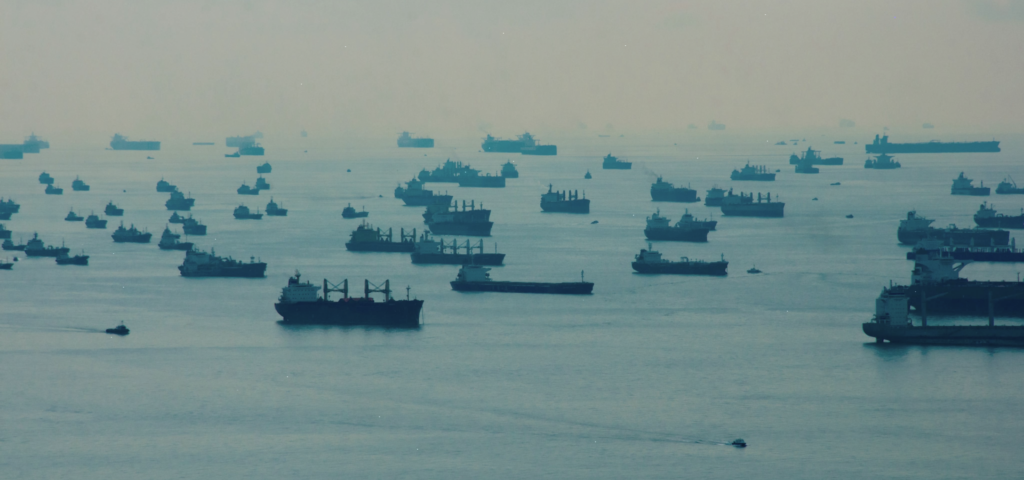
The recent events in the Strait of Hormuz drove the highest single-day oil price volatility in history. And in my opinion, energy is very undervalued at this point.
Think about it this way: you can live two months without food, two weeks without water, and two minutes without air. Energy is that air. What the last few days have shown us is that we’d place a much higher value on that indispensable resource if someone was choking off the supply and we realized we only had two minutes left.
When scarcity becomes real, value becomes obvious.
The Opportunity Inside the Uncertainty
Here’s my big takeaway: the kind of world-scale change that’s underway right now happens very rarely, and it’s profound. That creates a lot of uncertainty — but it also creates enormous opportunity.
You can see it clearly in market volatility. And while that volatility will be a challenge for a lot of people, it will generate huge opportunities for those who know how to navigate it.
So the question worth asking yourself is: who is helping you invest? If your plan is to roll out of bed and figure it out as you go, that approach might need a little supplementing. The scope of what’s changing demands more than improvisation.